What to Do in the Collio: Among the Vineyards of Friuli’s Wine Country
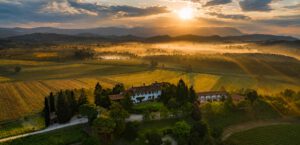
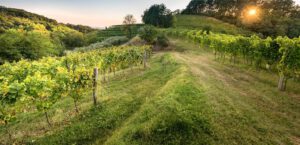
The Collio of Gorizia is one of Italy’s most prestigious wine regions. In the heart of Friuli Venezia Giulia, among the hills that stretch between Gorizia and the Slovenian border, time seems to move at a slower pace. Vineyards follow one another in neat rows, the villages are small and quiet, and the air carries the scent of earth and wood. It is a place well known to wine lovers, yet still largely overlooked by mainstream tourism — and perhaps that is precisely its secret.
What to Do in the Collio of Gorizia: Start with the Wine
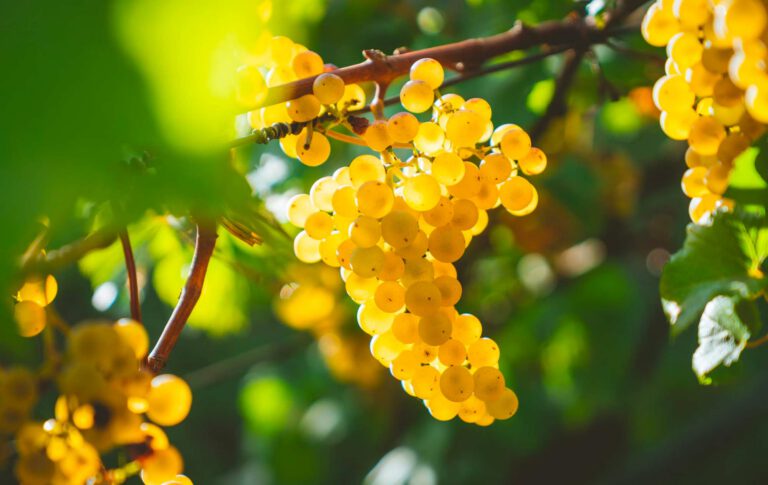
The Collio of Gorizia is, above all, about wine. The appellation stretches across a narrow band of hills between Gorizia and the Slovenian border, on a soil known as ponca — a friable mix of marl and sandstone capable of giving white wines a level of minerality and complexity found in few other Italian wine regions. Friulano, Pinot Grigio, Ribolla Gialla and Sauvignon have been cultivated here for centuries, and they are expressed in a way that feels entirely different from anywhere else.
A morning among these vineyards is unlike any standard tourist experience. There are no queues, no organised groups. Just the landscape, the silence, and the chance to meet the people who actually make the wine.
Livio Felluga, in Brazzano near Cormons, is one of the historic producers of the region — five generations of an Istrian family, and wines recognised by the map of the Collio on their labels. A cellar visit and guided tasting offer one of the most direct ways to understand what makes this territory unique. For those looking to explore further, Russiz Superiore in Capriva del Friuli adds seven centuries of winemaking history and some of the longest-lived white wines in the Collio.
A Border That Doesn’t Divide
The Collio of Gorizia is also a place shaped by history, shifting borders and cultures that have blended over centuries. Here, Italy ends and Slovenia begins, and that is not merely a geographical fact — it is reflected in the flavours, the languages and the traditions of the region. For centuries, this territory was divided between the Republic of Venice and the Archduchy of Austria, and that tension can still be felt today in its villages, wineries and kitchens.
In San Floriano del Collio, right on the border itself, Borgo Gradis’ciutta occupies a beautifully restored sixteenth-century estate — organic vineyards, views across the hills rolling down towards the plain, and the unmistakable feeling of being in a place that has witnessed history unfold at its own pace.
Where to Eat in the Collio of Gorizia
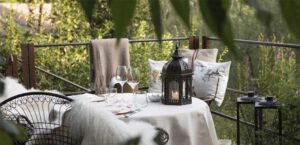
For lunch or dinner, La Subida is where people come to eat in the Collio. A hamlet hidden among the woods outside Cormons, it offers borderland cuisine with a Michelin star and a wine cellar holding more than a thousand labels. It is not the kind of restaurant you book at the last minute — but it is worth every phone call.
Castello di Spessa
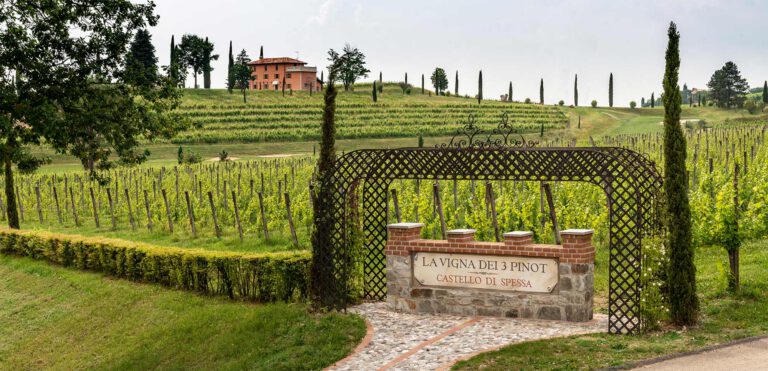
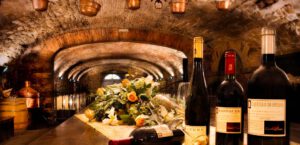
In Capriva del Friuli, just a few minutes from Cormons, Castello di Spessa brings everything together: medieval cellars carved into the rock, a Second World War bunker 18 metres underground, and Casanova Pinot Noir — the wine named after Giacomo Casanova, who stayed here in 1773. A guided tour with wine tasting is one of the most distinctive experiences the Collio has to offer.
Planning Your Visit
The Collio of Gorizia is best explored by car, with all the major wineries located within a 15-kilometre radius between Cormons and Capriva del Friuli. Winery visits generally require advance booking. The best times to visit are September, during the grape harvest, or May and June, when the vineyards are at their most vibrant.
For a complete two-day itinerary through the Collio, with all the stops linked together, follow our Collio in One Day itinerary, which traces the route from Cormons to Castello di Spessa.
The Collio of Gorizia is not a destination to be rushed. It is a place that reveals itself over time, through return visits — each season has its own rhythm, and every winery its own story to tell.