The Golden Thread of Malvasia: From Venice to Istria on the Serenissima’s Wine Route
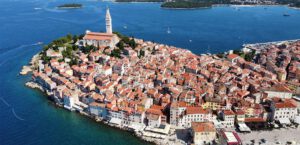
Venice and the Venetians played a fundamental role in the history of Malvasia. After the Fourth Crusade, the Peloponnese came under Venetian rule, and it was then that the merchants of the Serenissima realised they had acquired a liquid treasure. Originally from Greece, Istrian Malvasia was brought to Italy by the Venetians even before the 14th century. Thanks to the Republic of Venice, this grape variety gradually spread across the upper Adriatic, taking root in Istria, the Karst, the Collio, and the Isonzo region. This itinerary retraces that route in reverse—not from Venice towards its overseas dominions, but from the lands where Malvasia is still cultivated today back to the heart of the Serenissima. Six days through historic wineries, medieval villages, and borderlands where the language changes, but the landscape does not.
The Stops
The Italian Collio: Cormons and Capriva del Friuli
The journey begins in the Collio of Gorizia — the wine region that first brought Friuli to the world's attention. In Cormons, La Subida is the first stop: a hamlet hidden among the woods, home to Michelin-starred borderland cuisine and, in many ways, the very soul of the Collio.
A few kilometres away, in San Floriano del Collio, lies Borgo Gradis'ciutta — a beautifully restored sixteenth-century estate, set on the line where Venetian territory ended and Habsburg lands began for centuries. Organic wines, historic vineyards and rooms nestled among the vines.
In the afternoon, enjoy a guided tour and wine tasting at Russiz Superiore — seven centuries of winemaking history, the eagle of the Princes of Torre e Tasso on every label, and some of the Collio’s most age-worthy white wines.
The Collio and Livio Felluga
Spend the morning at Livio Felluga in Brazzano, near Cormons — wines recognised by the map on their labels, the story of an Istrian family shaped by two wars and a shifting border, and the Abbey of Rosazzo, where the estate’s finest wines are aged. In the afternoon, visit Castello di Spessa: medieval cellars, a Second World War bunker 18 metres underground, and Casanova Pinot Noir, ageing below the castle where Casanova himself once slept above.
The Karst: Savogna d'Isonzo and Prepotto
The Karst is another world — stone, the bora wind and red earth. In Savogna d'Isonzo, lunch is at Lokanda Devetak, where the Devetak family have welcomed guests since 1870. Six generations of the same Slovenian family have shaped a cuisine that blends Italian, Slovenian and Austrian traditions, while a rock-hewn cellar holds more than 13,000 bottles.
In the afternoon, in Prepotto, visit Zidarich — the winery 22 metres beneath the Karst, where Vitovska macerates in limestone vats, producing a wine unlike any other in the world.
Slovenian Brda: Ceglo and Šmartno
Cross the border into Slovenian Collio — Brda in Slovenian — where the landscape remains the same, but the language changes. In Ceglo, visit Movia Winery: three centuries of history, now in the hands of the ninth generation, producing uncompromising natural wines best enjoyed on the panoramic terrace overlooking the vineyards.
Just a few minutes away lies Gredič — a sixteenth-century castle, home to a Michelin Bib Gourmand restaurant and a wine cellar with the most comprehensive collection of wines from across the Brda region. Dinner and overnight stay.
Šmartno and the Istrian Border
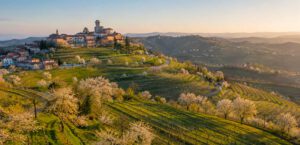
Spend the morning in the medieval village of Šmartno — built on Roman foundations, first a fortress against the Ottomans and later a battleground between Venice and the Habsburgs. Lunch is at Hiša Marica, where the seasonal menu changes every week and features hand-sliced prosciutto, Slovenian cheeses and Brda wines. The tables spill onto the cobbled lane, overlooking the surrounding vineyards.
In the afternoon, the journey continues south towards Istria, crossing the Slovenian–Croatian border through rolling vineyard-covered hills.
Istria: Momjan and Kozlović
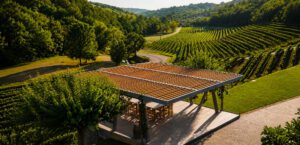
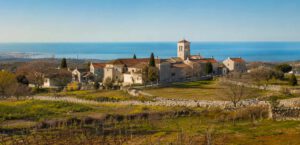
The final stop is the southernmost — and perhaps the most unexpected. In Momjan, visit Kozlović Winery, a striking piece of contemporary architecture overlooking the valley. Founded in 1904, its glass terrace seems to float above the vineyards. Kozlović's Istrian Malvasia is a direct descendant of the grape the Venetians brought from Monemvasia more than seven centuries ago. One sip, and the circle is complete.
Practical Information
By car: this itinerary is designed to be explored with your own vehicle. From Cormons to Kozlović is around 130 km, along secondary roads that cross three countries and some of the most beautiful landscapes in northeastern Europe. This is not an itinerary to rush.
Borders: the itinerary crosses the Italy–Slovenia and Slovenia–Croatia borders. EU citizens can travel with a valid national ID card or passport, with no routine border checks.
Recommended period: September–October for the grape harvest, or May–June. Autumn in Brda—with cherry trees and vineyards changing colour—is extraordinary.
Advance booking required: all winery visits (Russiz Superiore, Livio Felluga, Castello di Spessa, Zidarich, Movia and Kozlović) must be booked in advance. Lokanda Devetak and Gredič should ideally be reserved at least 2–3 days ahead.
Experiences along the route
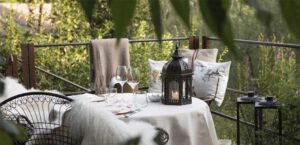
La Subida: the woods, the Michelin star, and the soul of the borderland Collio
Food & Wine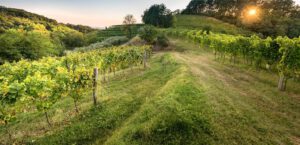
Borgo Gradis'ciutta: stay among the vineyards on the border Venice and the Habsburgs contested for centuries
Food & Wine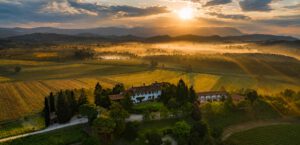
Russiz Superiore: seven hundred years of winemaking history in the heart of the Collio
Food & Wine
Livio Felluga: the “map label” wines and an Istrian story in the heart of the Collio
Food & Wine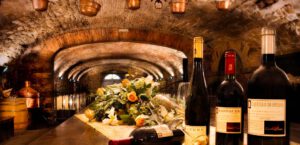
Castello di Spessa: wine tasting between history and a secret bunker
Food & Wine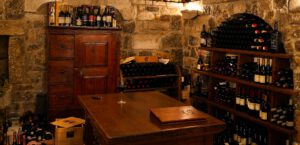
Lokanda Devetak: since 1870 in the Karst, where Italy, Slovenia and Austria sit at the same table
Food & Wine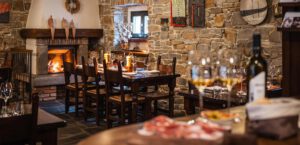
Hiša Marica: Lunch in the Medieval Village Where Venice and the Habsburgs Faced Each Other
Food & Wine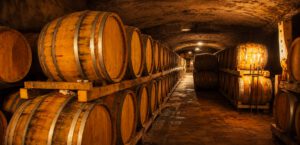
Movia: 300 Years of Natural Wine on a Border That No Longer Divides
Food & Wine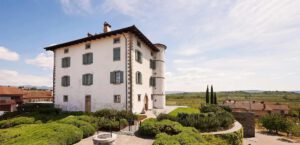
Gredič: a 16th-Century Castle in the Heart of Brda, with a Wine Cellar and Michelin-Level Cuisine
Stay
Zidarich: the Winery Carved into the Karst Rock and Wines That Taste of Stone
Food & Wine